Communication
Communication is one of the most important activities in human life. Simply said, communication means exchanging information between living beings. Even animals communicate, although in simpler ways. They use sounds, body movements, colours or smells to warn others about danger, find food or attract mates. Bees dance to show direction of nectar, wolves howl to gather their pack and birds sing to mark territory. In human society, communication has become much more complex and has allowed people to create culture, traditions and knowledge that can be passed down from generation to generation.
Human communication takes many forms. The most obvious and common form is verbal communication, which includes both spoken and written language. We speak every day — to our family, classmates, colleagues, teachers and strangers. Spoken communication is usually fast, spontaneous and emotional. We often change our tone of voice or intonation depending on how we feel or what message we want to send. Written communication is slower and more organised. When we write an email, essay or letter, we need to think carefully about vocabulary, grammar and structure. Even though writing may take more time, it allows us to express ourselves more clearly and permanently.

We also communicate without words. Non-verbal communication, often called body language, includes facial expressions, movements, gestures and posture. A smile tells others that we are happy or friendly. When someone frowns or crosses their arms, we recognise sadness, anger or disagreement. Eye contact plays an important role in communication — if we avoid eye contact, people may think we are nervous, shy or dishonest. A firm handshake shows confidence, while a hug expresses affection. Interestingly, body language varies between cultures: while Europeans typically shake hands or kiss on the cheek, in Asian countries people prefer bowing and keeping physical distance. This proves that understanding cultural differences is essential for successful communication.
Communication can be formal or informal depending on the situation. Formal communication is used in serious, official or professional contexts. For example, when we write a letter of application, speak to a doctor, have a job interview or attend a meeting at work, we use polite expressions, full sentences and correct grammar. We address people using titles such as Mr, Mrs or Miss and avoid slang. Instead of saying “Tell me when you arrive,” we say, “Could you please let me know when you expect to arrive?” Formal writing follows specific rules — we start with “Dear Sir or Madam” and finish with “Yours faithfully.”
Informal communication is the language we use with friends, classmates, siblings or people we know well. We greet them by name, use slang or even shorten words: instead of saying “I am going to,” we may say “I’m gonna,” especially in spoken English. We send messages full of emojis, abbreviations such as LOL (laughing out loud) or BTW (by the way). Informal communication is quick, relaxed and often emotional. It is perfectly fine with close people, but inappropriate in official situations. Learning to switch between formal and informal language is part of mastering a foreign language.
Modern technology has changed communication more dramatically than any event in history. Before the telephone and the internet, people communicated mainly through letters or face-to-face. A letter took days or weeks to arrive. Today, smartphones allow us to call, text, chat or video-call someone on the other side of the planet instantly. Social networks, such as Facebook, Instagram or TikTok, make it easy to share photos, videos or opinions with hundreds of people at once. Email replaced traditional letters in many everyday situations because it is free, fast and convenient. We can also store photos, documents and memories digitally instead of using physical objects.
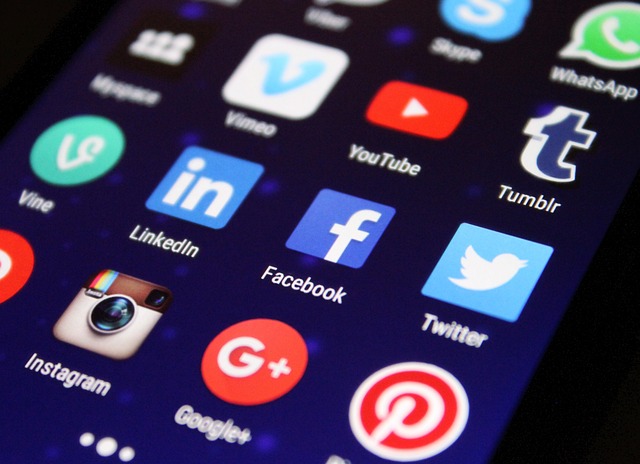
However, digital communication has its disadvantages. People spend too much time online and forget about real face-to-face interactions. Young people can become addicted to checking messages or scrolling through social media — psychologists call this condition nomophobia (fear of being without a phone) and FOMO (fear of missing out). Communication online can be dishonest — people sometimes pretend to be someone else, spread false information or hide behind anonymity. Cyberbullying, hacking, identity theft and privacy abuse are serious dangers of online communication. Therefore, experts recommend balancing online and offline life and protecting personal information.
Language is the key tool for communication, and in the modern world, the most important foreign language is undoubtedly English. English has become an international or global language spoken by more than a billion people. The main reason for this is history: the British Empire spread English to all continents, and later the United States became the world’s most influential country in technology, science, entertainment, business and culture. Thanks to this, English is used in international trade, aviation, science, diplomacy and the internet. If you speak English, you can communicate not only in English-speaking countries such as the UK, USA, Canada, Australia or New Zealand, but also with people from Europe, Asia and Africa.
Studying English today is extremely important for several reasons. Firstly, it allows you to travel confidently. If you go abroad on holiday, English helps you read signs, ask for directions or order food. Secondly, English is necessary in education. Many scientific books, films, documentaries and university resources are available in English long before they are translated into Slovak. Thirdly, knowledge of English improves your job opportunities. Employers usually prefer applicants who speak English because companies cooperate internationally and need workers who can read emails, make phone calls or participate in online meetings. Finally, English opens the door to culture — you can watch movies in the original version, understand song lyrics, read books without subtitles and enjoy the humour or emotions directly, not through translation.
When learning English, students often notice differences between British and American English. These two main varieties of English are similar enough for mutual understanding, but they differ in grammar, vocabulary, spelling and pronunciation. In vocabulary, Americans say apartment, elevator, truck, cookie and sidewalk, while the British use flat, lift, lorry, biscuit and pavement. In spelling, Americans often simplify words — they write color, favorite and center, while the British write colour, favourite and centre. Grammar differences are minor but noticeable: Americans prefer the past simple (“Did you eat yet?”), while the British often use present perfect (“Have you eaten yet?”). Pronunciation also varies: American English is more rhotic, meaning speakers pronounce the /r/ sound clearly (“car, hard”), whereas many British accents soften or even drop the /r/ sound. Accent, intonation and stress can also sound different.
Even though Slovak students learn English mainly in school, there are many other ways to improve it. Listening to English songs, watching films and TV shows without dubbing, reading books or news online, playing video games, chatting with native speakers or joining exchange programmers can significantly strengthen language skills. Online platforms like YouTube provide thousands of English teachers, and apps like Duolingo or Quizlet turn vocabulary learning into a game. The best way to learn a language, however, is to spend some time in an English-speaking country, where students must use English daily — at school, in shops, in public transport and with friends.
English is essential in many professions. Pilots must speak English because it is the official language of international aviation. Doctors and nurses in large hospitals use English when accessing medical databases or communicating with foreign patients. Business managers, accountants and computer programmers rely on English to work with foreign partners. Tour guides, hotel employees and travel agents speak English with tourists. Scientists publish their research mainly in English, and actors or singers often use English to reach global audiences. Simply said, in almost every modern career, at least basic English is a must.
Communication makes life easier and more meaningful. It helps us cooperate, build friendships, share emotions, solve problems and understand each other. Learning English improves our ability to communicate in an increasingly globalised world. Understanding formal and informal English helps us choose the correct tone in every situation. Recognising cultural, dialectal and stylistic differences prevents misunderstandings and makes conversations more effective. Language is a powerful tool — it connects nations, cultures and individuals. Therefore, developing communication skills and learning English are not just requirements for school or work, but valuable life investments for our future.

Obrázky použité na tejto stránke sú čerpané zo stránky:
pixabay.com