Health
The human body is a complex organism whose functions and conditions are vitally important for our survival and health. It is much more than a collection of parts; it is a synchronized biological machine where every system depends on the others to maintain life. To understand health, we must first understand the architecture of the body itself. At the very top of this hierarchy is the brain. The brain is the most important body part because it regulates our thinking, emotions, and memory, as well as all other physiological processes in our organism. Because it is so delicate, the brain is protected by the skull, a hard bone structure that acts as a natural helmet. Connecting the brain to the rest of the body is the spinal cord, which is housed within the backbone or spine. This central axis allows the brain to send signals through a vast network of nerves to every extremity.
When we look at the face and head, we see specific features like the forehead, eyebrows, eyelids, eyelashes, and nostrils. Below the head is the neck and the throat, which contains the tonsils—often the first line of defense against infection. The torso consists of the chest, waist, and hips. Our limbs allow us to interact with the world: the hands include arms, elbows, wrists, and fingers, while the legs consist of the thigh, knee, calf, ankle, and the foot. It is vital to remember that the plural of foot is feet. Supporting this entire structure are muscles and bones, which enable us to move. Finally, the human body is covered with skin, which protects the body from harmful influences of the external environment and contributes to the regulation of body temperature.
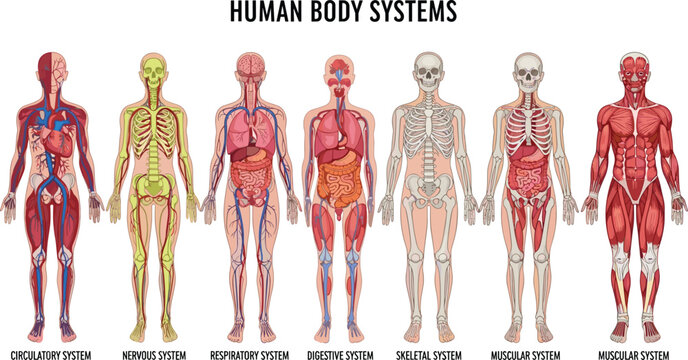
Inside the chest and abdomen, several major systems keep us alive. The heart is the engine of the body; its functions are necessary for the circulation of blood, which moves through a closed loop of arteries and veins. Arteries carry oxygenated blood to the tissues, while veins bring deoxygenated blood back to the heart. This process is supported by the lungs, which are the main organ of the respiratory system. When we breathe, the lungs exchange oxygen for carbon dioxide, a process essential for cellular energy.
The digestive system begins with the mouth and jaw and leads to the stomach, which digests food. After the initial breakdown of a meal in the stomach, the material passes into the small and large intestines. Other internal organs perform specialized filtering tasks. The liver is a chemical processing plant that cleans the blood, while the gall bladder stores bile to help with digestion. The kidneys are responsible for filtering waste products to produce urine, and the spleen plays a role in the immune system and blood health. Together, these organs ensure that the body is nourished and free of toxins.
Diseases or illnesses are often caused by bacteria, viruses, tumors, or other pathological processes
in our body. It is important to distinguish between different types of sickness. The most common diseases
are the flu and the cold. Their symptoms are quite similar; in both cases, you feel tired, you might have a
high temperature or fever, a cough, a sore throat, and muscle aches. While these are common viral infections,
others are more serious. Childhood diseases like chicken pox and measles were once very common, while bacterial
infections like scarlet fever or pneumonia— a serious inflammation of the lungs, require more intensive treatment.
Internal pathologies can be even more severe. A peptic ulcer is a painful sore in the stomach lining, often
caused by stress or specific bacteria. Cancer is a condition where cells grow uncontrollably and can be caused
by smoking and an unhealthy lifestyle. We also face cardiovascular emergencies like a brain stroke, which affects
blood flow to the head, or a heart attack, which occurs when the heart muscle is damaged. Metabolic diseases like
diabetes, where the body cannot process sugar, and being overweight are also major concerns in modern medicine.
Injuries, unlike diseases, are mostly caused by mechanical damage to our body parts. If you fall while playing sports, you might suffer from a twisted ankle or, more seriously, broken bones known as fractures. A hit to the head can cause a concussion, which is a temporary injury to the brain. In all these cases, the body sends signals of pain and distress that require immediate attention.
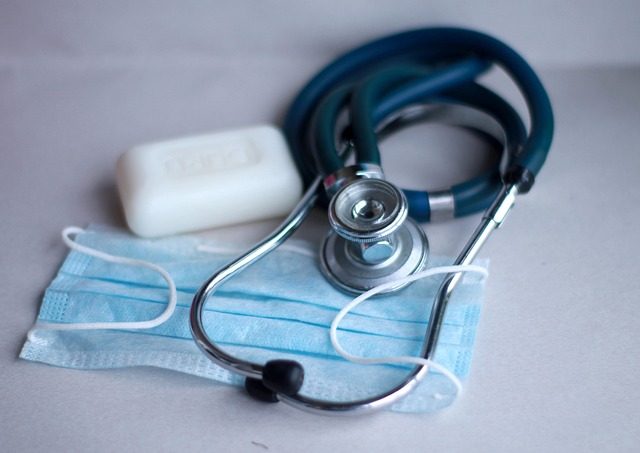
When we are ill, we must seek professional help within the healthcare system. The first person we usually visit is the General Practitioner or GP. In an English-speaking context, you wait in a waiting room until the doctor invites you into his surgery. Note that in English, "surgery" refers to the doctor's office or consulting room, not just a medical operation. The GP performs a medical check-up, perhaps checking your blood pressure or looking at your throat. If the problem is simple, the GP will give you a prescription, which you take to the pharmacy or chemist’s to buy medicine like painkillers or antibiotics.
However, some problems require a medical specialist. If you have trouble with your vision, you visit an ophthalmologist. For heart issues, you see a cardiologist. Skin problems are handled by a dermatologist, while women visit a gynecologist for reproductive health. If the problem is related to the mind or emotions, a psychiatrist is the correct specialist, while a neurologist treats disorders of the brain, spine, and nerves. In an emergency, we call the ambulance, which may take us to a hospital where a surgeon performs an operation while we are under anesthesia to ensure we feel no pain.
Our health is largely determined by our choices. In the modern world, we face "civilization diseases" which are caused by our environment and habits. A sedentary lifestyle—spending too much time sitting at a desk—combined with poor eating habits leads to obesity and heart disease. To stay healthy, we need to eat healthy meals that are high in fiber and low in processed sugars. We must also be aware of the dangers of addiction. Whether it is smoking, alcohol, or drugs, addiction results in serious health problems. As the proverb says, “An apple a day keeps the doctor away,” emphasizing that prevention and a good diet are the best ways to avoid the doctor's surgery.
To go deeper into the biology of health, we must look at how the body manages gases and fluids. The respiratory
system is not just the lungs; it includes the nostrils, the throat, and the bronchial tubes. When you have a cold,
your nostrils may become blocked, making it hard to breathe. If the infection reaches the lungs, it can become
pneumonia. The heart works in a similar "network" fashion. It doesn't just pump blood; it maintains the pressure
in the arteries and ensures that the veins bring waste products back to the kidneys and liver for cleaning. The
kidneys are vital internal organs because they filter the blood. If the kidneys fail, the body becomes poisoned by its own waste.
Modern medicine recognizes that the mind and body are connected. A psychiatrist or a psychological consultant looks at how stress affects the stomach or the heart. For example, peptic ulcers are often worsened by high levels of stress. This is why a "medical check-up" often includes questions about your lifestyle and mental well-being. Addiction is another area where the mind and body meet. A physical addiction to nicotine or alcohol changes the chemistry of the brain, making it very difficult to quit without professional help. A healthy lifestyle is therefore not just about the gym; it is about balance, rest, and avoiding the "sedentary lifestyle" that leads to obesity.
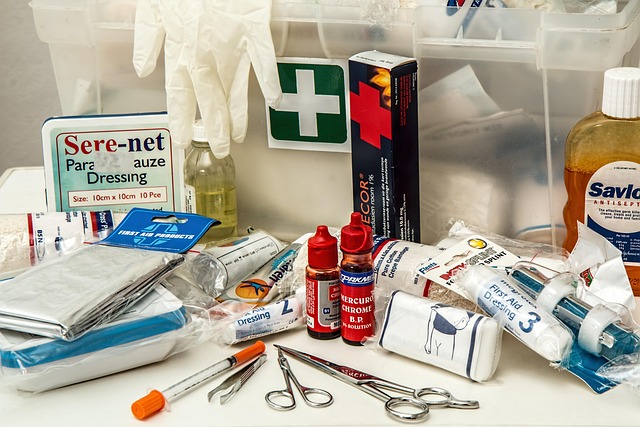
When an injury like a fracture or a concussion occurs, the first few minutes are critical. First aid is the immediate care given to an injured person. If someone has a broken bone, you must keep the limb still until they can get to a doctor. If someone has a heart attack, they may need CPR. This is why we have a specialized system for emergencies. The ambulance is equipped with life-saving tools, and the paramedics are trained to keep the patient alive until they reach the surgeon. Even a "twisted ankle" should be treated with rest and ice to prevent long-term damage to the joints.
What we put into our bodies is the fuel for our "biological machine." The stomach and intestines are designed to process a wide variety of foods, but they function best when we provide them with fiber. Fiber, found in fruits, vegetables, and whole grains, helps the intestines move food along. If we eat too much "meat" and not enough "meals" with vegetables, we can suffer from digestive issues. Obesity is the result of eating more energy than the body can use, and it is a leading cause of heart disease and diabetes. By following the "apple a day" rule, we ensure our body gets the vitamins it needs to fight off bacteria and viruses.
In conclusion, the human body is a complex organism that requires constant maintenance. From the protection of the brain by the skull to the circulation of blood by the heart, every part must function correctly. We must be aware of the symptoms of diseases like the flu and be ready to seek help from a GP or a specialist like a neurologist or cardiologist when needed. We must avoid the pitfalls of a sedentary lifestyle and addiction. Health is a gift, but it is also a responsibility. By understanding our anatomy, our lifestyle choices, and the healthcare system, we can ensure a long, healthy, and productive life.

Obrázky použité na tejto stránke sú čerpané zo stránky:
pixabay.com
Adobe Stock.com