
Travel
Travelling has become a natural part of our modern society and everyday routines. It is difficult to imagine a world where people stayed in one place their whole lives, but in the past, this used to be reality. Today, travelling is much easier because we have better roads, faster means of transport and technology which allows us to plan and organize our journeys. Every single day millions of people move from one place to another and for every person travel has a different meaning. Some people travel for work, some for education, others for holidays, adventure or even simply because they enjoy discovering the world and meeting new people.
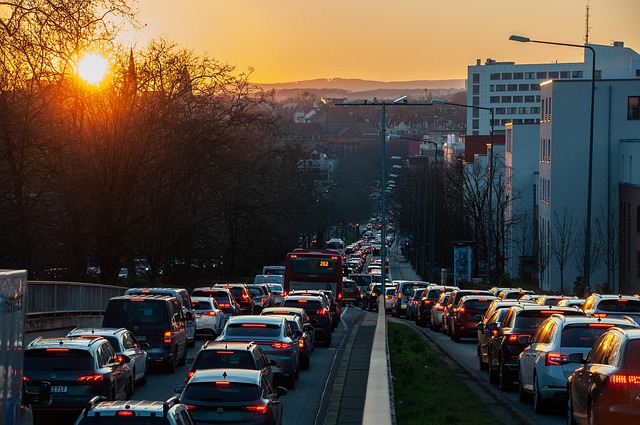
One of the main reasons why people travel is work. People often live in small towns or villages, but their workplace might be located in a nearby city, so they need to commute every day. Most employees use cars, buses or local trains to get to work and back home again. Sometimes commuting takes only a few minutes, but in many cases, it takes more than an hour each way, especially when people live in suburbs or have to travel through traffic jams. Travelling for work can be tiring, but for many people it is the only option because there are not enough job opportunities in their home villages.
Another very common reason for travelling is tourism. Many people travel on holiday, especially in summer, during Christmas or spring. Holidays are important because they allow people to relax and escape their everyday routines. Families choose seaside resorts, young people prefer city breaks or music festivals and seniors often enjoy wellness trips or spa stays. Tourists want to get new experiences, improve their health, admire nature, learn about culture or simply enjoy the sun on the beach. Tourism has also become a big business, and millions of people work in hotels, restaurants, travel agencies and other services which depend on tourists.
More and more people nowadays travel abroad to learn foreign languages or study at foreign schools. Students choose exchange programs which allow them to stay in another country for a few months. Learning a language abroad is much easier because students use the language every day while shopping, travelling or talking with friends. They can learn more about the way of life in other countries, their traditions, food, habits and social rules. This type of travelling is very valuable because it can help people open their minds and become more tolerant and confident.
Business travelling is another important form of travel, especially in today's global world. Companies cooperate with foreign partners, so business people must travel to conferences, seminars, exhibitions or international meetings. Business travel can be exciting because people get to know new colleagues and companies, but it can also be stressful because their time is limited and they must follow strict schedules. Travelling for work teaches people responsibility and independence.
Travelling has also become a hobby for many people. Some people save money the whole year just to travel for a few days. They plan their trips very carefully and visit destinations such as famous capitals, national parks or even exotic islands. Many travellers go camping, hiking in mountains, cycling long distances or backpacking around whole continents. Some adventurous travellers even take gap years and travel around the world to experience different cultures and learn about the world on their own.
Whenever people travel, preparation is extremely important. Before travelling, people must decide where they want to go and how long they want to stay. Choosing the means of transport is essential — people compare the price, time, comfort and safety. Packing luggage is often more difficult than it seems because travellers must decide what is necessary and what they can leave at home. Important documents such as boarding passes, ID cards and insurance papers must always be prepared. If people travel abroad, they should also learn something about the culture of that country to avoid misunderstandings. In addition, vaccination, medicines and local currency are important.

People today can travel by cars, buses, trains, planes or other modern means of transport. Cars are the most popular means of transport because they offer comfort and independence. When travelling by car, people can stop whenever they need, choose their own route and carry as much luggage as they want. Cars, however, are expensive to buy, maintain and fuel, and traffic jams or accidents may cause delays. Public transport such as buses and trains is cheaper and more environmentally friendly. People do not have to concentrate on driving and can relax, read or listen to music instead. However, public transport depends on timetables and delays are common.
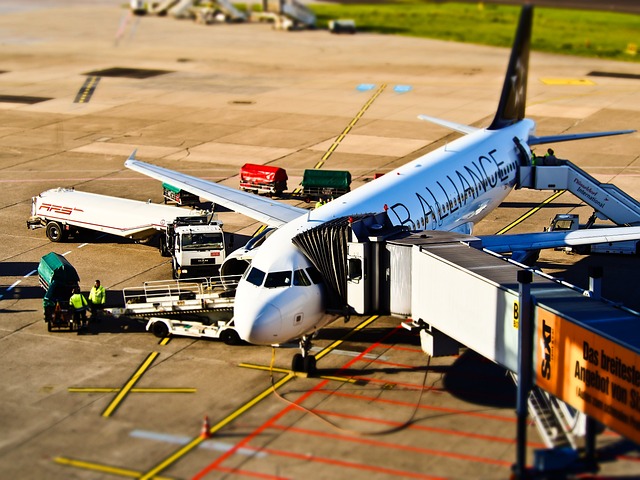
Planes are the fastest means of transport and make it possible to travel across continents within hours, but they require careful planning,
check-in, security control and boarding. Some people are also afraid of flying. Ships are used mainly for cruises or sea transport and travelling
by boat can be slow but romantic. For short distances, travelling by bicycle, scooter or on foot is often the healthiest and cheapest option.
Travelling in large cities, such as London, New York or Prague, is different from small towns. These cities offer modern underground systems, trams, buses or ferries that take people everywhere quickly, while in small towns public transport is limited and people often rely on cars. In large cities, people use public transport daily because parking is expensive and traffic is heavy.
In conclusion, travelling has become a normal part of our lives and offers many benefits. It helps people learn new things, relax, work, meet new cultures and gain new perspectives. Whether people travel by car, bus, train or plane, travelling always broadens the mind and helps us understand the world better.

Obrázky použité na tejto stránke sú čerpané zo stránky:
pixabay.com