Housing
Everyone needs a place where they can sleep, rest, and feel safe. A home is not only a physical space made of walls and furniture, but it is also a place connected with emotions, privacy, and personal comfort. People choose different types of housing depending on their financial situation, family size, lifestyle, work opportunities, and personal preferences.
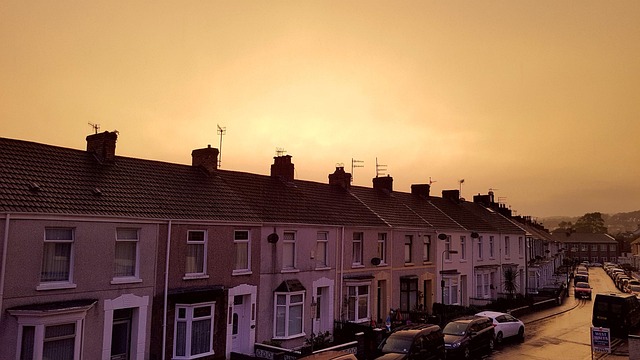
There are many different types of dwellings. One common type is a large, detached house. This kind of house stands alone and does not touch any other building. Detached houses usually offer a lot of space and privacy, which makes them attractive for families with children. Semi-detached houses are built in pairs and share one wall with a neighbouring house. They are often cheaper than detached houses but still provide a reasonable level of privacy. Terraced houses are smaller houses built in a long row, sharing walls on both sides. They are common in towns and cities and are usually more affordable.
Another very common type of housing is a block of flats. These are large buildings that contain many individual flats or apartments. Flats are especially popular in cities where space is limited. A bungalow is a house with only one floor and no stairs, which makes it suitable for elderly people or people with disabilities. Mansions are very large and luxurious houses owned by very rich people. Flats or apartments are housing units usually found in blocks of flats, and they can vary greatly in size, from small studio flats to large family apartments. In our country, the most common living arrangements are living either in a block of flats or in a family house.
One of the most important decisions people make is whether to live in a house or a flat. Both options have their advantages and disadvantages. Houses are usually larger, more spacious, and more expensive. One of their biggest advantages is independence. People living in a house usually have their own garden, garage, or yard, and they are less disturbed by neighbours. On the other hand, houses require more housework, such as cleaning, gardening, and repairs, and they also require more money for maintenance, heating, and renovations.
Flats are generally cheaper than houses and easier to maintain. People living in flats do not usually
have to worry about repairing the roof or maintaining a garden. However, living in a flat often means less
privacy. Neighbours live very close, and noise can be a problem. Another disadvantage is the lack of a private
garden or outdoor space. Despite this, many people prefer flats because of lower costs and convenient locations,
especially in city centres.
When describing a home, it is important to mention not only the type of building but also the rooms and furniture inside. A typical family flat might be located on a higher floor, for example on the seventh floor of a block of flats. It usually consists of a living room, kitchen, bedroom, children’s room, bathroom, and a separate toilet. Each room has its own function and atmosphere.
The living room is often considered the heart of the home. It is a place where family members relax, watch television, talk, or welcome guests. Typical furniture in a living room includes a sofa, armchairs, a coffee table, a bookcase, a chest of drawers, and a TV set. There may also be a chandelier on the ceiling, a carpet on the floor, white curtains on the windows, and various decorations such as pictures, photographs, or plants.
The kitchen is the place where food is prepared and often where family members meet during the day. A modern kitchen is usually equipped with a fridge, freezer, cupboards, a gas or electric cooker, an oven, a microwave oven, a dishwasher, and sometimes a coffee machine. In many homes, the kitchen also includes a dining table and chairs, where the family eats together.
The bedroom or personal room is a place for rest and privacy. It usually contains a bed, either single or double, a wardrobe for clothes, and sometimes a desk with a computer. Children’s rooms often include toys, shelves, and study desks. A bathroom usually contains a bathtub or shower, a washbasin, and a washing machine, while the toilet can be separate or part of the bathroom.
Another important decision connected with housing is whether to live in a city or in a village. Living in a city has many advantages. Cities offer more job opportunities and higher salaries, which attracts many people, especially young adults. There is also a higher standard of healthcare, education, and services. Cities have many shops, supermarkets, restaurants, cinemas, theatres, and cultural events. Shops and restaurants are often open late, and there is a rich social life.
However, living in a city also has disadvantages. Cities are often noisy, overcrowded, and polluted. Traffic jams and air pollution are common problems. Crime rates are usually higher in cities than in villages. Another disadvantage is the high cost of living. People living in cities often spend more money on rent, mortgages, transport, and everyday expenses.
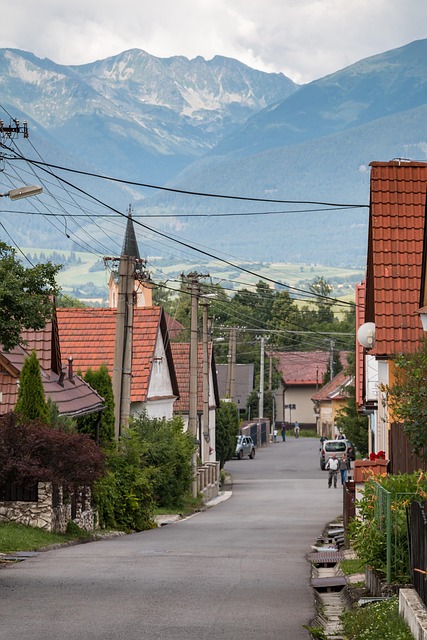
Villages are a good option for people who prefer peace, quiet, and a slower pace of life. One of the biggest advantages of
village life is the natural environment. Air pollution is usually lower, and people can enjoy nature, fresh air, and open spaces.
Many villagers grow flowers, fruit, or vegetables in their gardens. Buying a house in a village is usually cheaper than in a city,
which is another advantage.
Life in a village is generally less stressful, but it also has its disadvantages. One of them is loss of privacy, because people
often know each other very well, which can lead to gossip. Another disadvantage is boredom, especially for young and sociable people,
because villages usually lack cinemas, theatres, and cultural events. Public transport is often poor, so people must commute long distances
to work or school. Unemployment can also be a serious problem in rural areas.
Housing habits also differ from country to country. The United States is known for being very geographically mobile. Americans often move from one place to another, usually because of work. They are used to selling their homes and buying new ones. In big American cities, many people live in large apartment buildings called condominiums, or condos.
British housing is more traditional. Typical homes in Britain are detached, semi-detached, or terraced houses. Detached houses usually have two storeys and stand alone. Semi-detached houses are built in pairs, and terraced houses are built in long rows and are usually smaller and cheaper. British people take great pride in their gardens. A well-kept lawn is very important, and many people spend weekends mowing the lawn, trimming hedges, or taking care of flowerbeds.
Housing is not only about buildings and furniture, but also about psychology and economics. There is a famous English saying: “My house – my castle,” which means that home is a place of safety, privacy, and protection. It is the place where we grow up, feel supported, and later become independent adults. Many young couples start their life together in rented accommodation. Renting can be stressful because the property does not belong to them, and they may be asked to move out at any time.
A common way of buying a home is taking out a mortgage, which means borrowing money from a bank and paying it back in monthly instalments over many years. To get a mortgage, people need a stable and well-paid job. Having a mortgage means being in debt for decades, which can be risky if someone loses their job or becomes ill. Because of high housing prices, many families live in housing estates with blocks of flats. Unfortunately, some of these areas suffer from high crime rates, street gangs, or drug problems, which can be dangerous, especially for children.
The most tragic housing situation is homelessness. People can become homeless due to long-term unemployment, addiction to alcohol or drugs, divorce, or imprisonment. Homeless people often live on the streets or in shelters and face many difficulties in everyday life.
When people describe their ideal house, they usually use their imagination. An ideal house might be located on a small hill with a beautiful view or on the outskirts of a city, close to nature but still near services. It might have a large garden, a swimming pool, a fireplace for a cosy atmosphere, and a big balcony or terrace. Inside, the house could have wooden floors, house plants to improve air quality, and decorations such as vases, paintings, or wall tapestries.
In conclusion, housing is a very important part of human life. It influences our comfort, safety, mental health, and quality of life. Whether people live in a house or a flat, in a city or a village, each type of housing has its advantages and disadvantages. A home is not just a place to live, but a place where people feel secure, relaxed, and truly themselves.

Obrázky použité na tejto stránke sú čerpané zo stránky:
pixabay.com