
Fashion
The way people dress is never accidental. Clothing choices are influenced by many different factors such as weather, climate, age, gender, social status, financial situation, cultural background, personal taste, and special social occasions. What we wear often says a lot about who we are, how we feel, and how we want to be perceived by others. Clothing is not only a practical necessity that protects us from cold, heat, or rain, but it is also an important form of self-expression and social communication. Throughout history, clothing has played a key role in distinguishing social classes, professions, genders, and cultural identities.
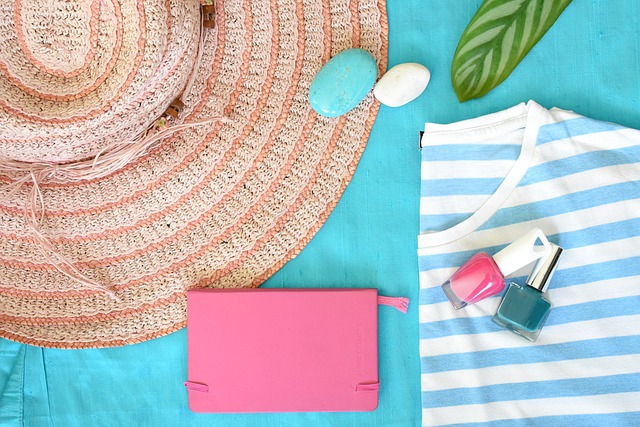
One of the most important factors that influence how people dress is the weather and climate. In spring and summer, when temperatures are higher, people usually prefer light, comfortable, and breathable clothing. Typical summer clothes include short-sleeved shirts, T-shirts, sleeveless tops, dresses, skirts, and short trousers. These garments are often made from natural, airy materials such as cotton or linen, which help the body stay cool and prevent sweating. Light colours like white, beige, yellow, or pastel shades are popular because they reflect sunlight and give a fresh and clean impression. Footwear in summer is also lighter, such as sandals, flip-flops, or trainers.
In contrast, winter requires much warmer and heavier clothing to protect the body from low temperatures, wind, and snow. People wear coats, anoraks, fur coats, warm jumpers, sweatshirts, scarves, gloves, caps, and boots. These clothes are usually made of wool, fleece, leather, or synthetic materials that provide warmth and insulation. Darker colours such as black, brown, grey, or dark blue are more common in winter. During autumn or on rainy days, people need protection against rain and wind, so they wear raincoats, waterproof jackets, hoodies, and use umbrellas. Practicality becomes very important during bad weather, but people still try to stay fashionable.
Besides weather, social occasions have a strong influence on clothing choices. Different events require different dress codes, and following them is considered polite and respectful. Formal occasions such as weddings, theatre performances, official ceremonies, funerals, or important school-leaving and state exams usually require formal or elegant clothing. Men typically wear suits, ties, tuxedos, plain shirts, and leather shoes. Women usually choose elegant dresses, blouses, skirts, business suits, or high-heeled shoes. The colours are often neutral and conservative, such as black, grey, white, or navy blue. At funerals, people usually wear black or dark colours to express respect and mourning.
On the other hand, informal or casual occasions allow people to dress more freely and comfortably. When meeting friends, going shopping, attending school, or spending free time, people often wear jeans, T-shirts, hoodies, sneakers, or casual dresses. Sport activities require special sportswear that is comfortable and flexible. Parties, concerts, or festivals often encourage more creative and expressive outfits, where people experiment with colours, styles, and accessories.
Accessories play an important role in completing an outfit and creating a personal style. Items such as watches, handbags, wallets, belts, rings, earrings, necklaces, bracelets, scarves, hats, and sunglasses can change the overall impression of clothing. Some people prefer simple and minimal accessories, while others like bold and eye-catching pieces. Accessories can also show social status or lifestyle preferences, for example expensive jewellery or designer handbags. For many people, accessories are just as important as clothes themselves.
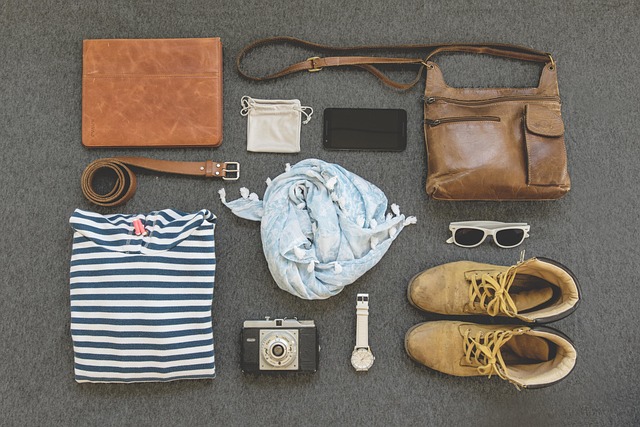
In modern society, most people buy ready-made clothes that are mass-produced and sold in clothing stores, shopping centres, or online shops. These clothes are usually affordable and easily available. Fashion brands offer a wide range of styles, sizes, and trends, which allows people to change their wardrobe frequently and follow current fashion. However, some people still prefer tailor-made clothes. Although tailor-made clothing is more expensive, it offers better quality, originality, and a perfect fit. Tailor-made clothes are often chosen for special occasions such as weddings, formal events, or important business meetings. People with specific tastes or unusual body proportions may also prefer custom-made clothing.
Most clothes are made from traditional materials such as cotton, wool, nylon, polyester, or leather. Each material has different qualities. Cotton is soft and comfortable, wool is warm and durable, synthetic materials are easy to wash and maintain, and leather is strong and stylish. Clothes can have various patterns and designs, such as stripy, check, spotty, floral, or plain. The choice of material and pattern depends on fashion trends, season, personal preferences, and the purpose of the clothing.
Beyond practical reasons, clothing has a deep psychological meaning. What we wear can influence our mood, confidence, and behaviour. Colours play a very important role in the psychology of clothing. Certain colours have symbolic meanings, especially on special occasions. For example, white is traditionally worn by brides and symbolizes purity, innocence, and new beginnings. Black is associated with mourning, sadness, and seriousness, and is commonly worn at funerals. Red can symbolize passion, power, or confidence, while blue is often associated with calmness, trust, and stability. Green can represent nature and harmony, and yellow is linked to happiness and optimism.
Our mood and emotions strongly influence what we choose to wear. When people feel happy, confident, or energetic, they often choose brighter colours and more expressive outfits. When they feel sad, tired, or stressed, they usually wear darker and more neutral clothes. At the same time, clothing can influence our mood in return. Wearing clothes that we like and feel comfortable in can improve our self-confidence and make us feel better about ourselves.
Personality also plays a major role in clothing choices. Extroverted, artistic, and creative people
often enjoy experimenting with fashion. They like wearing unusual combinations, bold colours, and
original designs that help them stand out. They use fashion as a way to express their individuality.
Introverted or reserved people usually prefer simple, classic, and conservative clothes. They often
choose neutral colours and practical styles because they do not like attracting attention and prefer
to feel comfortable and safe.
Fashion trends also reveal differences between generations. Young people are usually more open to new trends and are willing to experiment with their appearance. Torn jeans, oversized clothes, mini-skirts, slogans or pictures on T-shirts, unusual hairstyles, piercings, and tattoos are especially popular among young people. Older generations tend to dress more conservatively and prefer comfort and practicality over fashion trends. However, these differences are becoming less strict, as modern fashion encourages individuality at any age.
In the past, there were strong differences between men’s and women’s fashion. Today, these differences have become much smaller. Women commonly wear trousers, suits, and flat shoes, while men can wear jewellery, earrings, colourful clothes, or dyed hair without being considered strange. Pink shirts, fashionable accessories, or even makeup are no longer strictly limited by gender. Nevertheless, some differences still exist, such as skirts and high-heeled shoes being worn mostly by women.
Clothing is also a way of expressing belonging to certain social groups, subcultures, or music styles. Fashion helps people identify with others who share similar interests and values. For example, hip hop fans are known for baggy trousers, hoodies, caps, and sneakers. Fans of metal or gothic music usually wear black clothes, leather jackets, band T-shirts, and accessories with spikes or chains. Punk style, sportswear, or elegant business fashion also communicate specific lifestyles and attitudes.
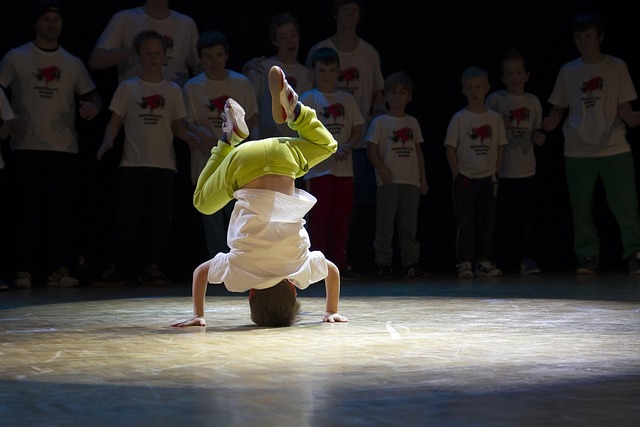
Appearance strongly influences first impressions. People often judge others based on how they are dressed, even if they try not to. A person who is neatly dressed in clean and fashionable clothes is often seen as confident, reliable, and successful. In contrast, someone wearing scruffy, old, or dirty clothes may be judged negatively. The English proverb “Fine feathers make fine birds” expresses the idea that appearance matters. Although clothes do not define a person’s character, they play an important role in everyday social interactions, job interviews, and public life.
In conclusion, clothing is much more than simple protection from the weather. It is a powerful form of self-expression, communication, and social identity. Our choice of clothes is influenced by many factors such as climate, social occasions, personality, fashion trends, and cultural norms. Through clothing, people express their mood, values, and individuality. In modern society, fashion is becoming more diverse and inclusive, allowing people to express themselves freely while still respecting social rules and traditions.

Obrázky použité na tejto stránke sú čerpané zo stránky:
pixabay.com