
Food
Our eating habits are constantly changing and developing, and they are influenced by many different factors such as the culture and country we live in, our health condition, financial situation, age, traditions, and overall lifestyle. Food is not only essential for survival, but it is also closely connected with social life, family traditions, celebrations, and cultural identity. The way people eat often reflects their daily routine, values, and priorities. In modern society, people usually eat three or four times a day, although this can differ depending on personal habits, work schedules, or lifestyle. The main meals of the day are breakfast, lunch, dinner, and supper, and each of them has an important role in maintaining good health and balance in everyday life.
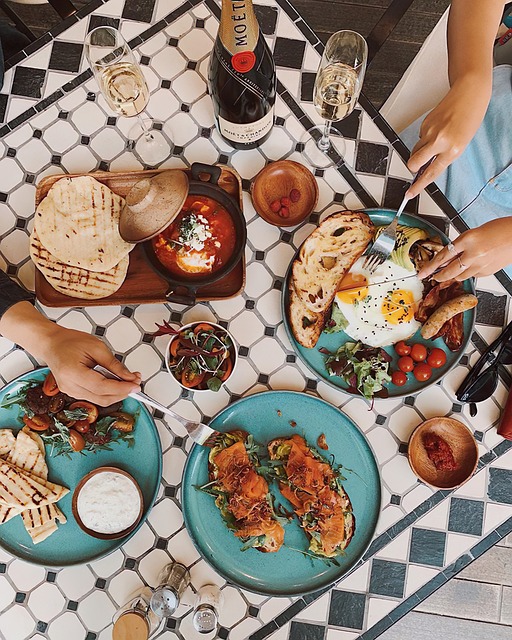
Breakfast is generally considered the most important meal of the day because it provides energy after a long night without food. A healthy breakfast helps people start the day with enough strength, improves concentration, and supports better performance at school or work. People who eat breakfast regularly are usually more productive and less tired during the day. Typical breakfast foods include cereals, corn flakes, bread with butter, jam or honey, yoghurt, fruits, pastries, doughnuts, muffins, and eggs prepared in various ways. In the morning, people usually drink tea, coffee, cocoa, milk, fruit juice, or mineral water. In some cultures, breakfast is very simple, while in others it can be quite rich and filling. Despite the well-known benefits of breakfast, many people skip it because of lack of time or bad habits. Skipping breakfast can lead to tiredness, lack of concentration, irritability, overeating later in the day, and long-term health problems.
The main meal of the day is traditionally lunch or dinner. In the past, especially in Slovakia and other European countries, lunch eaten around noon was the most important meal. Families often ate together, which strengthened relationships and allowed people to share their daily experiences. However, modern lifestyles have changed these habits. Many people now eat their main meal later in the afternoon, usually around 3 or 4 pm, which is similar to eating habits in Great Britain, where dinner is served later. The main meal usually consists of two or three courses. It often starts with soup, such as vegetable, chicken, beef, or lentil soup, which prepares the digestive system for heavier food. The main course usually includes meat like pork, beef, chicken, or fish, served with side dishes such as potatoes, rice, pasta, or dumplings. A vegetable salad or cooked vegetables are often added to make the meal healthier. The meal usually ends with dessert, such as cake, apple pie, pudding, pancakes, or ice cream, which is often considered a reward after the main dish.
Supper is the last meal of the day and is usually lighter than lunch or dinner. People often eat simple meals such as sandwiches, cheese, yoghurt, scrambled eggs, spreads, or fresh fruit. A light supper is recommended, especially in the evening, because heavy meals before sleeping can cause digestion problems, poor sleep, and weight gain. Some people skip supper completely, while others prefer a small snack before going to bed. The timing and size of supper depend on individual preferences, daily routine, and physical activity.
Because of busy lifestyles, long working hours, and lack of time, many people do not cook at home regularly. As a result, eating out has become very common, especially in big cities. There are several options for eating outside the home, including restaurants, canteens, fast-food or takeaway places, confectionaries, and cafeterias. Restaurants usually offer a wide variety of meals and drinks. Customers are served by waiters or waitresses who take orders and bring food to the table. It is common to leave a small tip as a sign of satisfaction with the service, which is considered an unwritten rule in many countries. In large cities, there are many luxurious restaurants as well as ethnic restaurants offering international cuisines, such as Italian, Mexican, Chinese, Thai, Indian, or Japanese food. Restaurants are often open until late evening, during weekends, and are frequently visited by tourists or people celebrating special occasions.
Canteens, such as school or workplace canteens, are usually cheaper than restaurants and are designed mainly for everyday meals. They offer a limited choice of dishes, usually three or four options. There is no table service, and people collect their food themselves. Canteens are mostly visited during lunch breaks on working days. People usually eat quickly and leave soon after finishing their meal, as they have limited time before returning to work or school.
Fast-food and takeaway restaurants have become extremely popular in modern society because they offer quick, cheap, and easily accessible
meals. Customers can buy food and eat it immediately or take it away. In many cases, people eat fast food while walking, travelling,
or working. However, fast food is generally unhealthy because it contains a high amount of fat, salt, sugar, and carbohydrates. This
type of food originated in the USA and has spread all over the world as a symbol of modern consumer society. Despite many warnings about
its negative effects on health, fast food remains popular due to stress, lack of time, and the fast pace of life. Customers can usually
pay with cash, bank cards, or food vouchers provided by employers.
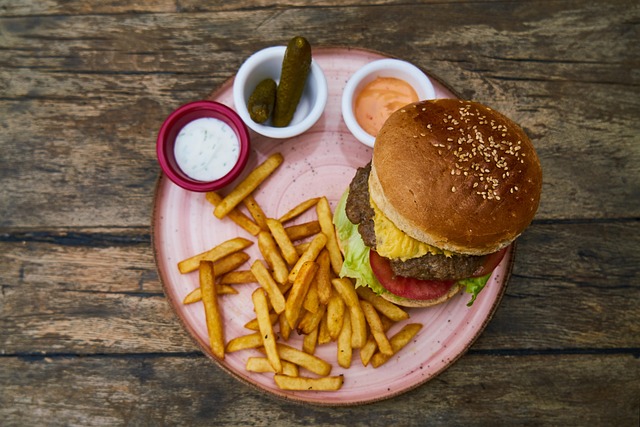
National cuisines differ greatly from one country to another and are an important part of national identity. They are influenced by natural factors such as climate, agricultural conditions, and availability of ingredients, as well as social factors like traditions, economic situation, and religion. Slovak cuisine is influenced by Czech, Austrian, and Hungarian traditions. Typical ingredients include potatoes, wheat flour, milk products, pork meat, sauerkraut, and onions. Traditional Slovak meals are often filling and suitable for colder climates. The best-known Slovak dish is gnocchi with sheep cheese and fried bacon, which is considered the national meal.
British cuisine is known for traditional meals such as fish and chips and the full English breakfast. This breakfast usually consists of fried bacon, eggs, sausages, baked beans, mushrooms, and tomatoes. Although British cuisine is sometimes seen as simple, it also includes many traditional dishes and desserts. Cuisine in the United States reflects the multicultural character of the country. It includes influences from many cultures, especially Italian cuisine with pizza and pasta, Mexican food, and Greek dishes. American cuisine is also famous for burgers, hot dogs, barbecue, and fast food.
Asian cuisines often use rice as a basic ingredient, together with soy products, ginger, garlic, tofu, and sesame seeds. Chinese, Thai, and Indian cuisines are known for their strong Flavors and spices. Japanese cuisine is especially famous for sushi and sashimi, which are based on raw fish and seafood and have become very popular in Western countries. Arab cuisine often uses lamb and chicken meat, and dishes such as kebab, falafel, or hummus are now common in Europe and the USA.
Religion plays an important role in eating habits and food choices. Hindus consider cows sacred and therefore do not eat beef. Muslims are forbidden to eat pork and follow halal rules when preparing food. Jewish people follow kosher rules, which strictly determine which foods are allowed and how they must be prepared. These religious rules influence not only daily meals but also holidays and special occasions.
Table manners are an important part of eating culture and social behaviour. In most European countries, including Slovakia, people use cutlery such as knives, forks, and spoons. The fork is held in the left hand and the knife in the right hand. It is considered impolite to talk with food in one’s mouth, chew loudly, or use a mobile phone at the table. Napkins are used to wipe the mouth and hands. Good table manners show respect for others and help create a pleasant atmosphere during meals, especially when eating with guests or at formal occasions.
In recent years, people have become more aware of the importance of a healthy lifestyle and balanced diet. Many people try to reduce the consumption of fatty and fried food, replace white bread with wholemeal bread, and include more fruit, vegetables, and fibre-rich products in their diet. Drinking enough water and limiting sugary drinks is also considered essential for good health. Some people also follow special diets because of allergies, intolerances, or health conditions.
Vegetarianism and veganism are becoming more popular, especially among younger generations. Vegetarians avoid meat, while vegans
avoid all animal products, including dairy, eggs, and honey. People choose these lifestyles for health reasons, ethical concerns
about animal welfare, or environmental reasons. Meat production has a significant negative impact on the environment, which
encourages some people to change their eating habits and reduce meat consumption.
On the other hand, modern eating habits have led to serious health problems. The high consumption of junk food, sugary drinks, and processed food has caused a rapid increase in overweight and obesity. This problem affects not only adults but also children and teenagers, especially in highly developed countries. Obesity can lead to serious illnesses such as diabetes, heart disease, high blood pressure, and joint problems. Lack of physical activity combined with unhealthy eating habits is one of the main causes of these issues.
Eating habits are also closely connected with eating disorders. Some people, especially young girls and teenagers, may develop a negative body image and follow extreme diets to lose weight. This can result in very dangerous eating disorders such as anorexia or bulimia, which seriously threaten both physical and mental health. These disorders require professional medical and psychological treatment and can have long-term consequences.
In conclusion, eating habits are a very important part of everyday life and have a strong influence on our health, energy, and overall quality of life. Modern society offers a wide variety of food choices and eating options, but it also brings many challenges related to unhealthy diets and lifestyle diseases. Maintaining regular meals, balanced nutrition, and a healthy relationship with food is essential for long-term physical and mental well-being.

Obrázky použité na tejto stránke sú čerpané zo stránky:
pixabay.com