
Role Models, Idols
Every person needs inspiration, guidance, and motivation throughout life. One of the most natural things is through role models and idols. A role model is someone we admire because we believe they represent values, skills, or personal qualities that we ourselves would always like to develop. They show us how to behave, how to improve, and what direction to take. Role models can be well-known celebrities, athletes, actors, politicians, teachers, or completely ordinary people such as parents, grandparents, or neighbours. They influence our choices and help us understand what kind of person we want to become.
People need role models for many reasons. First, role models help us believe that success is possible. When we see someone, we admire achieving goals, we start to think that we could achieve something similar with enough effort. Second, they give us emotional strength in difficult periods. Life is full of challenges, disappointments, and failures, and it is easier to cope with problems when we know that others have faced similar struggles and managed to overcome them. Finally, role models teach us values. They show us why honesty, kindness, respect, ambition, perseverance, and responsibility are important in daily life. From them we learn that discipline, hard work, education, and patience are essential for long-term success.

Many people believe idols must be celebrities, but often the most important influence comes from home. For most young people, the first role models are their parents. Parents teach us basic rules of life: how to behave politely, how to treat others, how to solve conflicts and how to overcome fear. They help us learn responsibility, such as doing homework, helping at home, arriving on time, and respecting other people. Even when they are tired, they work to support the family, which teaches us dedication and sacrifice. A parent or grandparent may not be famous, but they can be strong and inspiring because they demonstrate unconditional love and a deep sense of duty.
Another important role in personal development is played by friends. A best friend can become a real role model because they influence our behaviour every day. An ideal friend is loyal, trustworthy, understanding, honest, and supportive. They accept us as we are, but motivate us to be better. They listen to our problems, share joy and humour, and give advice without judging us. With a true friend, we can share feelings, memories, plans, and secrets. We learn cooperation, communication, kindness, and forgiveness. A toxic friendship can destroy confidence, while a healthy one can strengthen our personality and help us grow.
Many teenagers also imagine an ideal romantic partner who possesses qualities they admire. Physical attractiveness may seem important when we are young, but the qualities that create real emotional connection are character traits. An ideal partner is respectful, patient, reliable, and caring. Good communication, shared values and sense of humor make relationships stronger. A solid partnership is built on trust, honesty, support, and loyalty. When two people encourage each other to achieve goals, solve problems together, and inspire each other to become better versions of themselves, they become positive role models for one another.
Besides people in our personal environment, we admire public figures. Famous athletes are popular role models because they represent physical strength, discipline, goal-setting, and teamwork. To reach the top, they need to train daily, overcome pain and stress, and handle defeat. Their achievements motivate young people to take part in sport, respect rules, and work on self-discipline. Musicians and actors influence culture and emotions. Some use their fame responsibly by supporting charities, protecting minorities, speaking about mental health or environmental issues. These individuals prove that success can be used not only for personal benefit, but also for helping others.
However, not every public figure deserves admiration. Modern society is influenced by social networks, where
influencers attract millions of followers. Some promote unrealistic beauty standards, unhealthy habits or
irresponsible behaviour. That is why choosing idols wisely is important. A positive role model should be respected
for their character, not just for their popularity. It is useful to ask whether the person contributes something
to society, inspires others, or simply attracts attention.
Another large group of role models can be found in heroic professions. Firefighters, paramedics, nurses, doctors, police officers, teachers, and soldiers deserve respect because their careers require courage, dedication, and sacrifice. Firefighters risk their lives to save people from burning buildings. Paramedics and doctors work long shifts, sometimes without rest, taking care of injured or sick people.
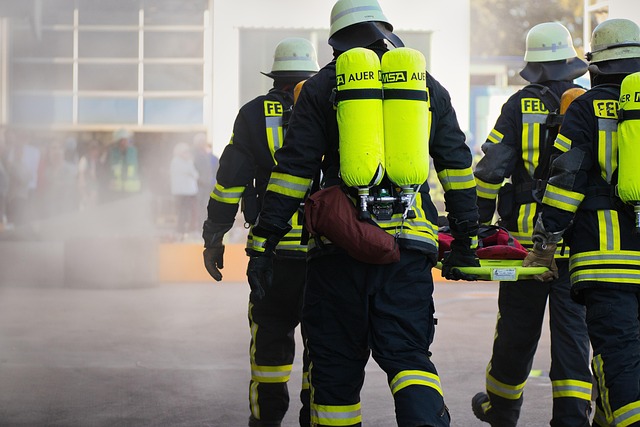
Police officers protect communities, stop crime, and face danger regularly. Soldiers defend the country and take part in peacekeeping missions abroad. Teachers educate new generations and may influence hundreds or thousands of students throughout their careers. What makes these professions heroic is not fame, but silent responsibility and willingness to help others even in difficult situations. They show that real heroism can be found not only in movies but also in everyday life.
Literature, film, and art also offer inspirational figures. Fictional characters can become powerful role models because they show human values in symbolic ways. Readers admire Harry Potter for his courage, loyalty, and willingness to fight evil. Atticus Finch in How To Kill a Mockingbird represents justice, moral principles and respect for equality. Sherlock Holmes demonstrates logic and attention to detail. Katniss Everdeen from The Hunger Games symbolises bravery and rebellion against oppression. These characters are fictional, yet their stories teach lessons that apply to real life: standing up for others, being loyal to friends, and believing in fairness. Books often show that heroes do not have to be perfect; they make mistakes, experience doubt and fear, but keep following the right path.
Role models change as we grow older. A child may admire superheroes, a teenager may be influenced by athletes or musicians, and an adult may find inspiration in innovators, scientists, or members of their own family. The most important lesson is that admiration should not simply copy behaviour but inspire personal growth. We should take what is valuable and transform it into our own actions.
In conclusion, people need role models because they show us the way forward when life becomes confusing or uncertain. They provide courage, ambition, moral guidance, emotional support and hope. Role models can be found in our families, at school, in books, in film and in society. When we are inspired, we also gradually become an example for others. Every person has the potential to be a role model — younger siblings, classmates, future children or friends may one day look up to us. Therefore, it is important to live in a way that reflects qualities we value in others: respect, honesty, kindness, hard work, and responsibility.

Obrázky použité na tejto stránke sú čerpané zo stránky:
pixabay.com